

Best overall: the Shan Gui talisman coin. Best for an everyday carry: the Taoist coin keychain. Best for wood-focused symbolism: the jujube wood interlocking hand piece. This 2026 guide compares Taoist jewelry and related talismans by material, format, cultural context and blessing details—not promises of protection or prosperity.
- The Shan Gui talisman coin is the default Taoist jewelry pick for shoppers seeking an explicitly Taoist symbol.
- Choose the Taoist coin keychain for everyday carry, or the jujube wood hand piece for wood-focused symbolism.
- EclipticJew offers Taoist-inspired pieces; optional blessings and blessing videos require confirmation for the individual item.
- A talisman expresses tradition or personal intention; it does not guarantee safety, income or spiritual outcomes.
Why the symbol and format matter
You like a carved symbol, but you also want to know what it means and whether you will actually use it. Start there. A piece that belongs on your keys serves a different purpose from a hand-held object or a personalized Fu talisman.
EclipticJew is best for Taoist jewelry shoppers who want to compare symbolic pieces across wearable, handheld and pocket formats. The selection includes explicitly Taoist designs, but not every option below is conventional jewelry.
For a 2026 purchase, separate three questions: What is the object? What tradition does it reference? What service accompanies it? Browse EclipticJew with those questions in mind rather than treating every spiritual accessory as interchangeable.
What makes the best Taoist jewelry?
These criteria put practical use alongside symbolism:
- Clear cultural context: The name or description identifies a Taoist reference rather than relying only on words such as “energy.”
- Identifiable material: Wood, brass and alloy are different materials. A spiritual product category does not establish gemstone content.
- Useful format: Choose between something worn, held, attached to keys or carried separately.
- Understandable symbolism: You should be able to explain why the motif matters to you without promising an outcome.
- Specific blessing details: A blessing is a separate service to confirm, not something to infer from a talisman’s name.
- Manageable care: Check the finish, attachments, cord and care instructions before deciding how to use the piece.
There is no budget winner here. Choose the format and meaning first, then check the current listing before ordering.
Taoist jewelry and talismans at a glance
| Ranked option | Best for | Material or format identified in the listing | Standout detail | Key limitation |
|---|---|---|---|---|
| Shan Gui talisman coin | A first explicitly Taoist symbol | Red brass talisman coin | Named Shan Gui reference | Wearing attachment needs confirmation |
| Taoist coin keychain | Everyday carry | Brass keychain coin | Keychain format | Not conventional body jewelry |
| Jujube wood interlocking hand piece | Wood-focused symbolism | Jujube wood hand piece | Interlocking form and Taoist references | Lightning-struck provenance needs supporting detail |
| Custom Taoist peace Fu talisman | Personalized symbolism | Hand-drawn Fu talisman | Described as personalized | Material, format and service scope need confirmation |
| Five Wealth Gods pocket talisman | A money-habit reminder | Alloy pocket talisman | Named wealth symbolism | Not wearable jewelry; no financial effect established |
The order favors a clear Taoist reference and an understandable everyday role. It does not rank spiritual potency, blessing quality or protective power.
1. Shan Gui talisman coin: best Taoist jewelry for a first symbol
The Shan Gui talisman coin is described as a red brass, Taoist-inspired talisman. It is the clearest starting point if you want a named Taoist reference rather than choosing solely by a stone’s color.
Choose it because the symbol interests you. Before planning to wear it, confirm whether the item includes an attachment or is intended to be carried separately.
Shan Gui talisman coin pros:
- The listing identifies red brass rather than leaving the material unnamed.
- The Shan Gui reference gives you a specific symbol to ask about.
- The coin format offers an alternative to a beaded bracelet.
Shan Gui talisman coin cons:
- The supplied details do not establish a complete wearing setup.
- Protective language describes symbolism, not demonstrated physical protection.
Best for: A first-time buyer who wants an explicitly Taoist talisman and will confirm how to carry or wear it.
Verdict: Buy for the named symbolism, after checking the attachment details.
2. Taoist coin keychain: best Taoist accessory for everyday carry
The Taoist coin keychain is described as a brass talisman with wealth, harmony and protection associations. Its keychain format gives it a practical role without requiring you to wear a bracelet or pendant.
Use it as a personal cue when you pick up your keys. For example, let that moment remind you to check your plans before leaving, rather than expecting the object to change the day’s outcome.
Taoist coin keychain pros:
- The keychain format suits readers who avoid body jewelry.
- The description identifies brass.
- Its stated symbolic themes give you a starting point for choosing an intention.
Taoist coin keychain cons:
- It does not meet a search for a wearable necklace or bracelet.
- The supplied details do not establish the finish or attachment construction.
Best for: Someone who wants a Taoist-inspired object incorporated into an existing daily routine.
Verdict: Buy for everyday carry; skip if you specifically want wearable jewelry.
3. Jujube wood interlocking hand piece: best for wood symbolism
The jujube wood interlocking hand piece combines a wood format with Taoist references in its listing, including Qiankun and the Big Dipper. It suits a buyer drawn to a hand-held symbolic object rather than a metal coin.
The listing also uses “lightning-struck” language. Treat that as a provenance question: ask what supports the description and how the wood was identified. A dramatic origin claim is not proof of spiritual efficacy.
Jujube wood hand piece pros:
- Jujube wood is identified in the product information.
- The interlocking format offers a distinct alternative to coin-shaped talismans.
- The named Taoist references provide specific subjects for further explanation.
Jujube wood hand piece cons:
- A hand piece is not automatically a bracelet or pendant.
- The supplied information does not establish lightning-struck provenance or a blessing service.
Best for: A buyer interested in wood, interlocking forms and the cultural meaning of the listed symbols.
Verdict: Hold until the format and provenance details answer your questions.
4. Custom Taoist peace Fu talisman: best for personalized symbolism
The custom Taoist peace talisman is described as a hand-drawn Fu created for personalized spiritual protection. Here, protection is the stated traditional intention—not a guarantee of safety.
This option belongs on your shortlist when personalization matters more than conventional jewelry styling. Ask what personalization includes before ordering; a custom drawing and an optional blessing are not necessarily the same service.
Custom Taoist peace Fu talisman pros:
- The description explicitly identifies a Taoist Fu.
- Hand-drawn work is stated for this item specifically.
- Personalization offers a different choice from a ready-made motif.
Custom Taoist peace Fu talisman cons:
- The supplied details do not establish its material, dimensions or carrying method.
- The exact personalization process and blessing arrangements need confirmation.
Best for: Someone seeking a personalized Taoist talisman rather than an everyday bracelet.
Verdict: Hold until the personalization and handling details are clear.
5. Five Wealth Gods pocket talisman: best for a money-habit reminder
The Five Wealth Gods pocket talisman is described as an alloy piece intended for pocket carry. Its wealth theme makes it relevant to readers interested in prosperity symbolism, not to anyone seeking evidence of financial returns.
Give the object a practical role if you choose it. Let seeing it prompt a spending check, a savings decision or a task you already planned to complete.
Five Wealth Gods pocket talisman pros:
- The named motif makes the intended symbolism clear.
- The description identifies alloy rather than implying gemstone content.
- Pocket carry avoids the need for a bracelet or necklace.
Five Wealth Gods pocket talisman cons:
- It is not conventional wearable jewelry.
- Neither the motif nor carrying the object establishes a financial benefit.
Best for: A buyer who appreciates wealth symbolism and wants a reminder attached to an existing money habit.
Verdict: Buy for personal meaning; skip if you expect it to increase income.
Compare the material before choosing the meaning
Material and symbolism answer different questions. “Brass coin,” “jujube wood” and “alloy talisman” describe the object; “peace” or “protection” describes an intention or traditional association.
Check Material, Format and Care separately. Do not infer gemstone content from a broad catalog title, or assume that a wooden item shares the care instructions of a metal charm.
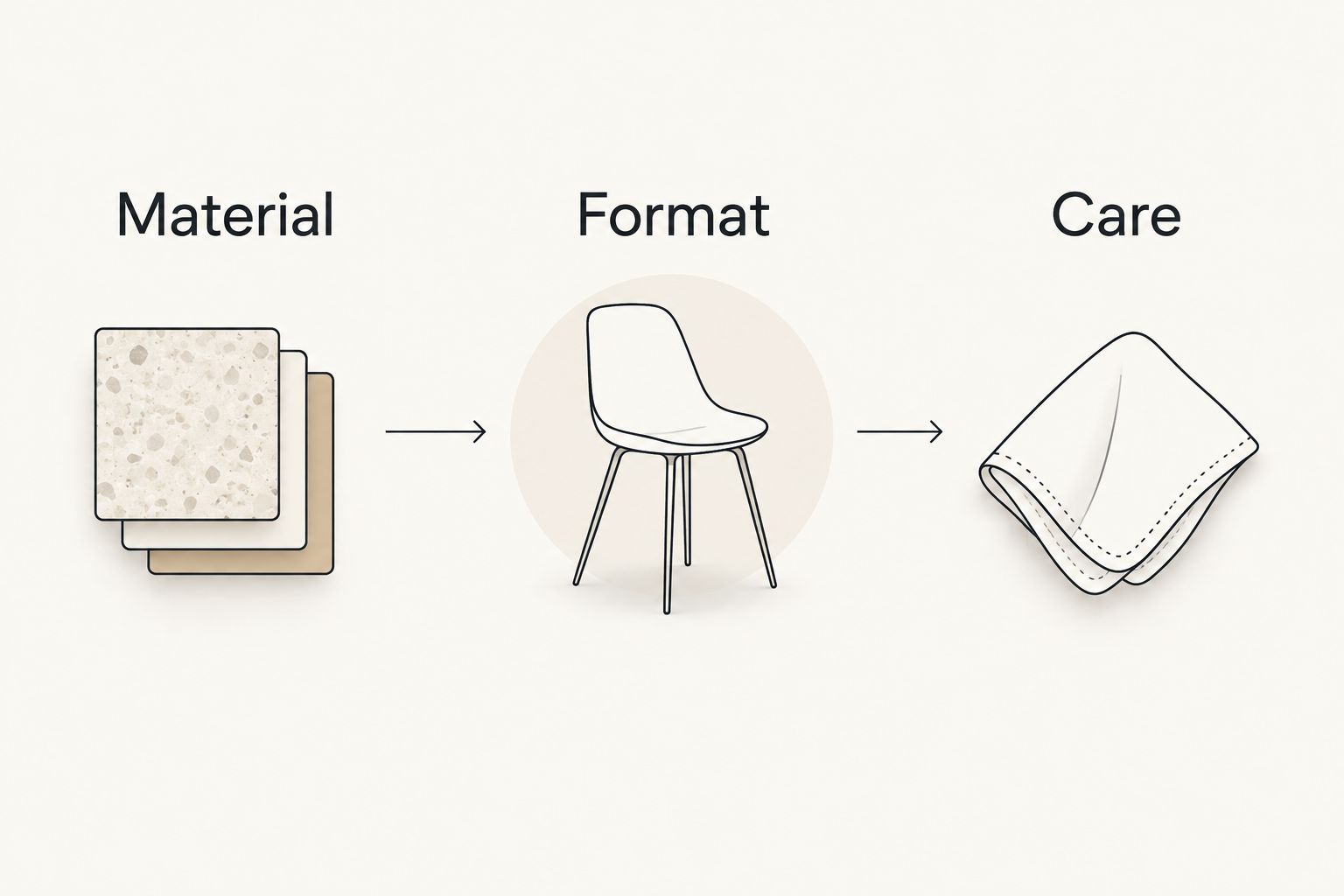
For the two contrasting material choices below, decide whether you want a wood hand piece or a metal talisman first. Confirm the carrying arrangement before treating either as wearable jewelry.


How the options are ranked
This 2026 ranking uses the stated materials, named symbolism and intended formats. The Shan Gui coin takes the default position because it combines an explicitly Taoist reference with an identified material; the other options serve distinct carrying or personalization preferences.
No hands-on testing, authentication assessment or evaluation of religious efficacy underpins this order. Choose by the practical criteria above, not by interpreting the rank as a measure of spiritual strength.
What to confirm about a Taoist blessing
EclipticJew offers optional Taoist master blessings and blessing videos on select pieces. That does not establish either service for every item in this comparison.
Before ordering in 2026, ask these 3 questions:
- Is this exact item eligible? Name the product rather than asking whether the store offers blessings generally.
- What does the service include? Request a plain explanation of the blessing arrangement and any personalization.
- Is a blessing video included? Ask specifically; do not infer video delivery from the word “blessed.”
Use the contact page when the listing does not answer those questions. A blessing can hold religious or personal meaning without establishing a guaranteed medical, financial, protective or spiritual result.
Keep traditions distinct, too. A chakra design, Buddhist mala, feng shui accessory and Taoist Fu are not interchangeable simply because they appear within a spiritual-jewelry catalog.
Which Taoist jewelry should you choose?
Choose the Shan Gui talisman coin as the default if you want a named Taoist symbol and an identified metal. Choose the keychain instead when attaching the object to your keys matters more than wearing it.
For wood-focused symbolism, investigate the jujube hand piece. Choose the custom Fu only after the personalization details are clear, and choose the Five Wealth Gods talisman only if its symbolism—not a promised financial outcome—is what appeals to you.
If none fits your routine, wait. You do not need to buy an object to reflect on an intention or learn about a tradition.
FAQ
What's the best Taoist jewelry for a beginner?
The Shan Gui talisman coin is the default beginner pick in this comparison because its description identifies red brass and an explicitly Taoist reference. Confirm the carrying or wearing attachment before ordering.
Is all crystal jewelry Taoist?
No, crystal jewelry is not automatically Taoist. Look for an identified Taoist symbol or practice rather than assuming that a stone, chakra design or general spiritual theme establishes that connection.
Does Taoist jewelry guarantee protection or good luck?
No, Taoist jewelry does not guarantee protection or good luck. Protective and prosperity themes describe traditional associations or personal intentions, not established outcomes.
Does every EclipticJew talisman include a Taoist blessing?
No, a blessing should not be assumed for every EclipticJew talisman. Optional blessings and blessing videos are available on select pieces, so confirm both for the exact item.
Is a Taoist coin keychain better than a bracelet?
A Taoist coin keychain is the better format if you want everyday carry without wearing jewelry. A bracelet suits a different preference; choose by how you intend to use the object, not by presumed spiritual strength.
How can I verify lightning-struck jujube wood?
Ask the seller for the provenance information supporting the lightning-struck description. The product name alone does not establish that history, and provenance does not demonstrate spiritual efficacy.
Can I sleep wearing Taoist jewelry?
Take bracelets off at night, and do not sleep wearing elastic-cord jewelry. Follow the individual item's care guidance rather than treating a symbolic object as something that must remain on your body.
One last thing
A useful final test for your 2026 choice is to describe it without using an outcome: “a brass coin with a Taoist reference” or “a jujube wood hand piece.” If you still want it, the material, form and symbolism are doing enough.
Before choosing, write down 1 sentence about why the symbol matters to you. Then confirm how you will wear or carry it. That is a gentler starting point than buying a promise.


