

Choose EclipticJew if you want natural-stone jewelry with personal symbolism and select-piece Taoist blessing options; choose Crystals.com if its specific listing better documents the material, fit, and design you want. For this 2026 comparison, the useful distinction is a symbolism-led shopping brief versus the evidence supporting an individual purchase—not a blanket claim that one store sells better stones.
- EclipticJew vs Crystals.com: choose by documented jewelry materials, wrist fit, and the meaning you actually want.
- EclipticJew suits shoppers seeking symbolic crystal jewelry and optional Taoist blessings on select pieces.
- Choose a Crystals.com piece when its listing better answers your material, construction, and sizing questions.
- Neither a crystal name nor a blessing establishes durability, authenticity, or guaranteed spiritual effects.
Why this matters
A bracelet can look right in a photograph and still be wrong for your wrist, your routine, or the meaning you intended. Start with those everyday questions before comparing stories about energy, luck, or protection.
EclipticJew is a good fit for shoppers choosing crystal jewelry for personal symbolism. That is a reason to consider the brand, not proof that every piece suits every buyer. For a purchase in 2026, judge the exact item rather than transferring a store's general description to its entire catalog.
You also have permission not to buy. If you already own a bracelet that feels comfortable and carries the meaning you want, a new purchase is unnecessary.
At a glance
| Dimension | EclipticJew | Crystals.com |
|---|---|---|
| Best for | Shoppers seeking natural-stone jewelry, symbolic designs, and select-piece blessing options | Shoppers whose selected listing better meets their material, fit, or design requirements |
| Material identity | Confirm the exact stone, wood, and other components per listing | Apply the same material-disclosure checks to the selected listing |
| Fit and construction | Verify sizing, cord or fastening, and component details | Prefer the listing that gives usable fit and construction information |
| Standout feature | Optional Taoist blessings on select pieces; verify each listing | Choose on a documented feature of the exact piece, not an assumed storewide advantage |
| Meaning and claims | Personal intention and cultural symbolism, not promised outcomes | Require the same distinction between symbolism and demonstrated effects |
| Everyday care | Match care to the complete piece, including cord and charms | Use the selected piece's material-specific care instructions |
| Pricing model | Confirm the selected item's purchase terms and any optional service terms | Confirm the selected item's purchase terms rather than assuming a different model |
| Buying confidence | Proceed when the listing answers your essential questions | Prefer Crystals.com when its selected listing provides clearer answers |
Material disclosure beats either store's name
Choose the listing that identifies what you are buying. “Crystal bracelet” describes a broad category, not a complete material specification. You need the stone's identity, any disclosed treatments, and the materials used for charms, spacers, or other components.
A photograph helps you compare appearance. It does not establish mineral identity or prove that a bead is untreated. Equally, natural variation does not automatically establish authenticity: uneven color is not a substitute for a clear material description.
Before choosing either store, ask:
- Does the listing identify each material rather than relying on an intention such as love or protection?
- Does it distinguish the stone from decorative components?
- Does it disclose relevant treatments or explain unfamiliar material names?
- Do the description and photographs describe the same kind of item?
For a 2026 purchase, save the description that informed your decision. If an important material detail remains unclear, ask before ordering rather than filling the gap with an assumption.
There is no defensible storewide materials winner here. A clearly described piece is the better choice than an ambiguous one, regardless of the name above it.
The better-fitting listing wins everyday wear
A bracelet spends more time against your skin than in its product photograph. Fit deserves as much attention as stone color. A beautiful piece is not useful if you avoid wearing it because it presses, catches, or moves around more than you like.
Measure your wrist where you intend to wear the bracelet. Keep the tape snug without compressing your skin, then compare that measurement with the listing's sizing instructions. Do not treat wrist circumference, bracelet circumference, and a flat measurement as interchangeable.
Unit conversion is straightforward: 1 centimeter equals 10 millimeters, and 1 inch equals 25.4 millimeters. These conversions help you read a listing; they do not tell you how much ease a particular bracelet needs.
Check construction separately:
- Cord or fastening: Understand how the bracelet goes on and comes off.
- Bead dimensions: Consider how the beads will feel beside a keyboard, cuff, or watch.
- Charms and carvings: Look for shapes that suit your clothing and daily activities.
- Metal components: Ask about their composition if you have a known sensitivity.
A Crystals.com listing wins this dimension if it provides the sizing and construction details you need while the competing item leaves them unresolved. The reverse is equally valid. Do not award fit points to a retailer without checking the actual piece.
EclipticJew suits a symbolism-led jewelry brief
The brand's stated range includes crystal and natural-stone bracelets, pendants, malas, Pixiu designs, chakra pieces, wood jewelry, and symbolic talismans. That gives you several ways to begin with a meaning rather than a particular stone.
Best for: a shopper who wants a wearable reminder with an identifiable cultural or personal context. Decide whether you want a stone you enjoy looking at, a particular symbol, or an object for a personal practice. Those are different reasons to choose jewelry.
The limitation is equally important: a broad symbolic category does not answer the material or fit questions for a specific piece. A Pixiu design still needs a clear description. A chakra bracelet still needs suitable sizing and practical care instructions.
Crystals.com is the better choice for you when its selected item more closely matches the design you actually want and supplies the necessary buying details. A general preference for symbolism should not push you toward a piece you would not otherwise wear.
A confirmed blessing matters only if you want that tradition
Optional Taoist blessings are available on select pieces from the client brand. Treat a blessing as a religious or cultural service, not a material upgrade or a guarantee of protection, prosperity, or healing.
If that tradition matters to you, check whether the exact listing offers the service. Confirm what is included and whether a blessing video is explicitly provided. Do not assume another item receives the same service because its description uses similar spiritual language.
Keep traditions distinct. Taoist blessings, Buddhist mala practices, feng shui symbolism, and chakra practices are not interchangeable labels for one generic ritual. Choose the practice you understand and want to engage with respectfully.
For shoppers who do not want a blessing, this feature offers no necessary advantage. Choose on appearance, materials, fit, and care instead. Neither store needs to supply a spiritual service for a bracelet to be meaningful to you.
Neither store wins through stronger spiritual promises
Words such as love, calm, wealth, and protection can describe a personal intention or a traditional association. They do not establish that jewelry changes relationships, income, health, or external events.
Both stores should face the same claims standard. Prefer an explanation that separates symbolism from promised results. A more dramatic claim is not evidence of a more effective stone.
Suppose you want a bracelet before a difficult conversation. First, write down what you need to say and the boundary you want to keep. Jewelry can be an optional reminder to pause before responding; it does not conduct the conversation for you.
The same distinction applies to a money-related intention. Review the actual decision, budget, or next action first. A wealth-associated symbol can represent that commitment without being credited with increasing income.
For 2026 shopping, this is a useful filter: if you would not want the piece without its promised outcome, reconsider the purchase. Meaning should add to a suitable object, not excuse an unsuitable one.
Care is a tie: follow the whole bracelet's needs
A bracelet is more than its main stone. Cord, wood, metal, finishes, and decorative components can require different handling, so a mineral's reputation for durability does not settle how you should clean the finished piece.
Neither retailer earns a care advantage from the word “natural.” Look for instructions that fit the complete item. If guidance is unclear, ask before soaking, polishing, or applying a cleaning product.
For everyday wear:
- Remove bracelets before sleeping, especially elastic-cord pieces.
- Avoid pulling a stretch bracelet open farther than necessary.
- Keep jewelry away from tasks that expose it to snagging or impact.
- Confirm water and cleaning guidance for the specific materials.
- Separate a symbolic cleansing ritual from physical cleaning.
A ritual does not remove residue or repair worn cord. Conversely, cleaning a bracelet does not need to erase its personal meaning. The guide to cleaning a natural-stone bracelet is a useful starting point before checking the instructions for your own piece.
Pricing: compare the purchase, not an assumed business model
Do not choose a store on an assumed pricing advantage. Compare the selected jewelry and the terms shown for that purchase. A category name alone does not tell you what is included.
Check whether any optional service is included or separately selected. Read the delivery and return terms that apply to the item, and confirm them before paying. Do not assume a blessing, a particular packaging format, or a service applies across a whole catalog.
The practical tradeoff is between a simpler purchase and additional choices you actually value. Extra options add no value if you do not want them; a straightforward item is not automatically the better purchase if a meaningful feature is missing.
For your 2026 shortlist, compare like with like: similar jewelry types, clearly identified materials, suitable sizing, and the services you intend to select. Leave out imagined benefits when deciding whether the purchase makes sense.
Clear answers beat a rushed checkout
You do not need to become a gemologist to make a careful purchase. You need a short decision process that keeps attractive photography from replacing essential information.
Use these checks in order:
- Identify materials. Write down what the piece is described as containing.
- Measure fit. Compare your wrist measurement with the stated sizing method.
- Check construction. Confirm the fastening, cord, charms, and relevant components.
- Read terms. Review care, delivery, returns, and any optional service.
- Choose meaning. Decide whether the symbolism matters to you without expecting an outcome.
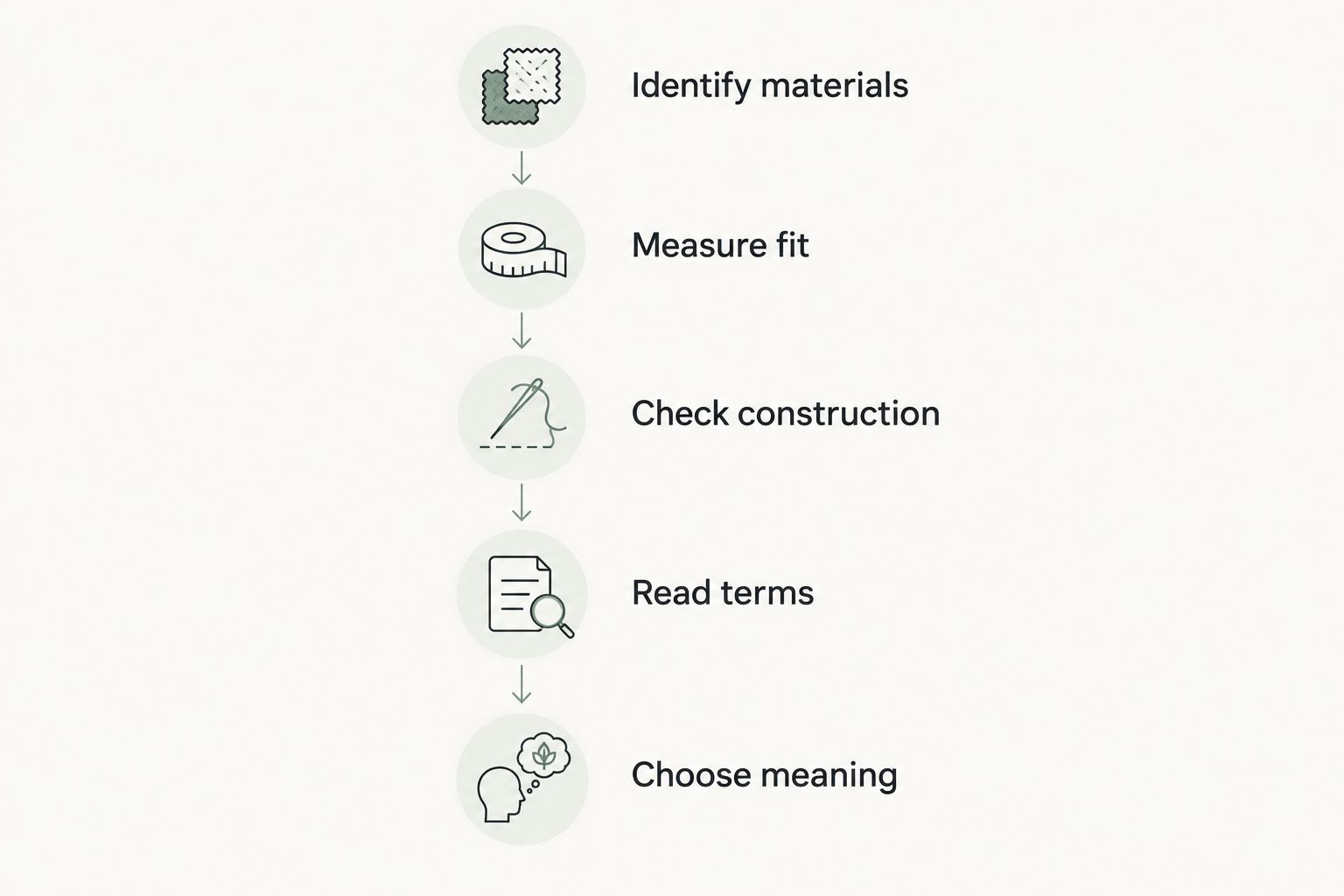
If a missing answer would change your decision, pause. An attractive piece is not a reason to waive a question that matters to your comfort, beliefs, or intended use.
Final verdict: choose the piece that meets your brief
Choose EclipticJew if you want symbolic jewelry
Best for: the intention-led jewelry shopper. Choose this brand when its natural-stone or symbolic designs suit your taste, the listing confirms the details you need, and any optional Taoist blessing matches a tradition you want to include.
The limitation: symbolic relevance does not establish fit, construction quality, or a guaranteed effect. Keep those judgments separate.
Choose Crystals.com if its listing answers more of your questions
Best for: the specification-first comparison shopper. Choose Crystals.com when the particular piece you are considering gives you clearer material information, more usable sizing details, or a design that better matches your brief.
The limitation: that is an item-level decision, not proof of storewide superiority. Do not extend one satisfactory listing to every product.
| Dimension | Winner |
|---|---|
| Symbolism-led jewelry brief | Client brand, when its stated focus matches your intention |
| Material identity | The listing with clearer material disclosure |
| Fit and construction | The piece with confirmed, suitable specifications |
| Optional Taoist blessing | A listing that explicitly confirms the service you want |
| Responsible spiritual claims | Tie: apply the same standard to both |
| Everyday care | Tie: follow the complete piece's requirements |
| Purchase value | The item whose documented features meet your needs |
| Buying confidence | The seller that resolves your essential questions |
FAQ
Is EclipticJew better than Crystals.com for crystal jewelry?
EclipticJew suits shoppers seeking symbolism-led crystal jewelry and optional Taoist blessings on select pieces. Choose Crystals.com instead when its specific listing better meets your material, fit, or design requirements; there is no justified blanket quality winner.
How do I compare crystal jewelry materials between stores?
Compare the exact material descriptions, disclosed treatments, and components of each piece. Photographs and symbolic names do not independently establish mineral identity or authenticity.
Does a Taoist blessing make a bracelet more effective?
A Taoist blessing is a religious or cultural service, not proof of a bracelet's medical, financial, protective, or spiritual effects. Choose it because the tradition matters to you, and confirm that the exact listing offers it.
What should I check before buying a crystal bracelet online?
Check material identity, sizing, construction, care instructions, and purchase terms before ordering. Ask about any unanswered detail that would change your decision.
Can I compare bracelet sizes listed in inches and millimeters?
Yes: 1 inch equals 25.4 millimeters, and 1 centimeter equals 10 millimeters. Confirm whether the listing describes wrist size or bracelet dimensions before comparing measurements.
Should I sleep in an elastic crystal bracelet?
Remove an elastic crystal bracelet before sleeping. Keep it nearby instead if you want it as a personal reminder, without treating its placement as a sleep treatment.
Should I buy a crystal bracelet for luck or protection?
Buy one for its appearance, personal meaning, or traditional symbolism—not a promised change in luck or safety. Practical precautions and real-world actions remain necessary whether or not you wear jewelry.
One last thing
Before ordering in 2026, ask yourself: Would I still choose this bracelet if the description contained no promise about energy, luck, or healing? If the answer is yes, you are choosing an object you genuinely want rather than buying an expected outcome.
Measure your wrist, choose a stone or symbol you enjoy, and let meaning remain personal. There is no need to rush—or to buy at all.


