

Protection bracelets for nurses are symbolic jewelry, not clinical protection; choose them for personal meaning and follow your employer’s wrist-jewelry rules. If you want a small reminder before a difficult shift, start with a practical routine and decide afterward whether a bracelet belongs in it.
- Protection bracelets for nurses symbolize personal intentions; they do not prevent infection, injury, or emotional exhaustion.
- Your employer’s jewelry policy decides workplace wear, not a stone’s meaning or a seller’s description.
- EclipticJew protection bracelets suit nurses seeking off-duty symbolism, not clinical protection.
- Choose materials, fit, and care before optional blessings; buying jewelry is never necessary.
Why protection bracelets matter for nurses
A bracelet can represent something specific: leaving work at work, asking for support, or remembering your limits. That meaning belongs to you. It does not make the bracelet protective equipment or change the precautions your job requires.
Nursing adds a practical constraint to jewelry shopping: what feels comfortable at home is not automatically appropriate during patient care. Hand hygiene, gloves, uniform requirements, and your assigned duties all belong in the decision.
EclipticJew protection bracelets suit nurses seeking off-duty symbolism, not clinical protection. You can explore EclipticJew for personal jewelry, but workplace permission comes from your employer.
For a purchase in 2026, separate three questions: Do I like its meaning? Can I care for it? Where am I permitted to wear it? A yes to the first question does not answer the others.
How to choose and use a protection bracelet
Start with a practical intention
Before choosing a stone, name the moment you want to mark. Perhaps you arrive home still replaying a conversation, or you want a reminder to ask a colleague for help rather than carrying everything alone.
Write one action that stays within your control. Try a suggested 1-minute pause after changing out of work clothes: notice your surroundings, put down your work bag, and decide what needs attention next. This is a routine to try, not a treatment or a promised result.
A bracelet is optional. A note beside your keys can carry the same intention without becoming another object to maintain.
- Name the situation: arriving home, preparing for work, or taking leave.
- Write an action, such as asking for support or protecting personal time.
- Try the routine without jewelry before deciding to buy.
Check your workplace’s current jewelry policy
Read the written policy that applies to your actual role and setting. A general dress code does not necessarily answer questions about direct patient care, procedural areas, or a temporary assignment.
For your 2026 policy check, ask your manager or infection-prevention team about wrist jewelry specifically. Do not assume a close-fitting bracelet, a string bracelet, or a spiritually meaningful piece receives an exception. Another nurse’s practice is not written authorization.
If the policy prohibits wrist jewelry, keep the bracelet off during the affected duties. Covering jewelry with a sleeve or glove is not permission to wear it. If you need a religious accommodation, use your employer’s formal process rather than making a bedside decision.
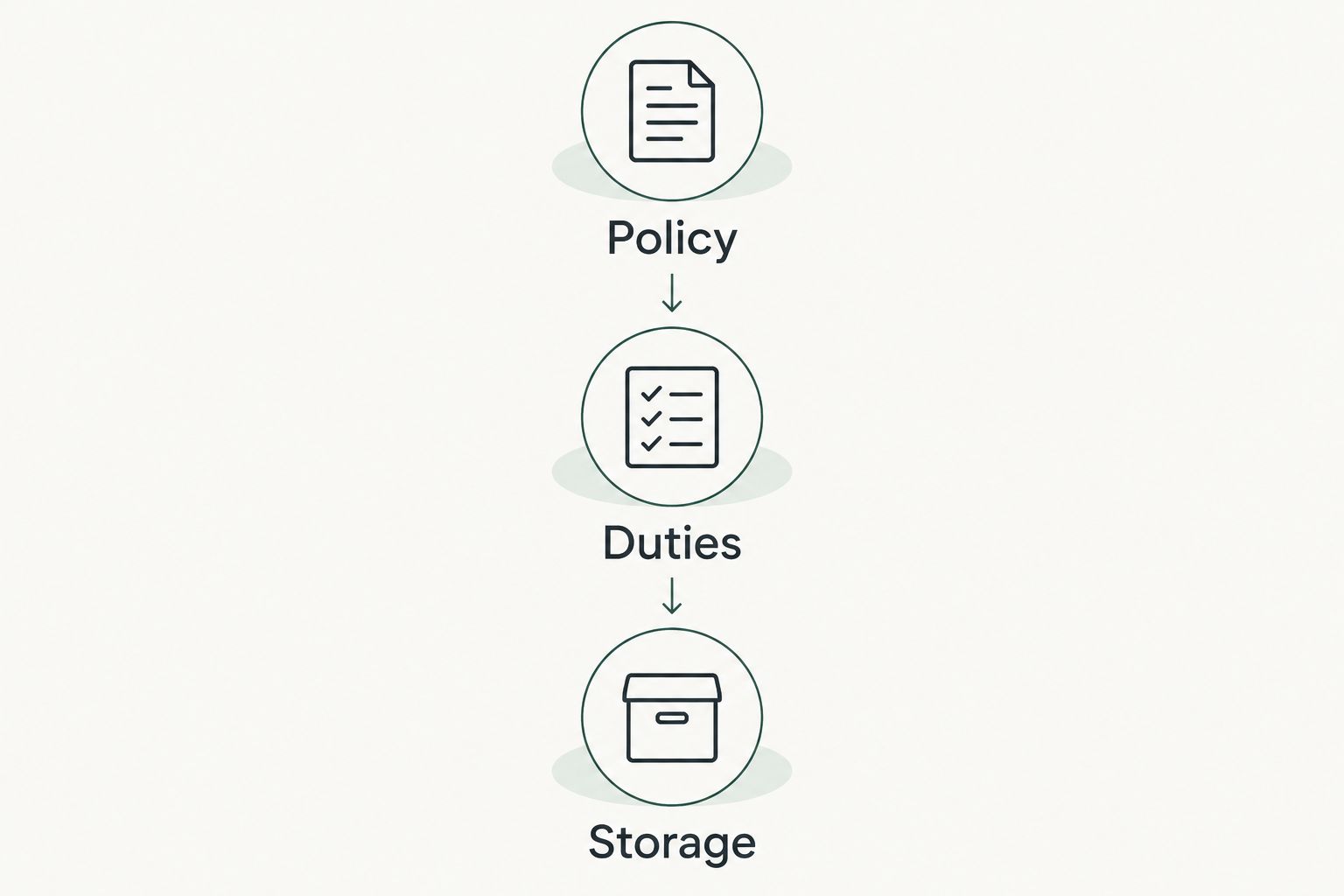
- Policy: Find the rule for bracelets and wrist accessories.
- Duties: Confirm how the rule applies to your assignment.
- Storage: Decide where removed jewelry will stay securely.
These checks put permission before appearance. They also prevent buying a piece for a work use your employer does not allow.
Choose symbolism you can explain honestly
Protection can mean a personal boundary rather than a supernatural shield. You might associate a dark stone with steadiness or use a bracelet to remember not to answer nonurgent work messages during personal time.
Keep cultural traditions distinct. Pixiu is a Chinese mythical creature associated with wealth and protective symbolism. Buddhist mala practices and Taoist talisman traditions have their own contexts; they are not interchangeable names for crystal jewelry. Chakra symbolism belongs to another religious and cultural framework, not a universal explanation for every bead.
EclipticJew offers stone jewelry, Pixiu designs, malas, and symbolic pieces. Optional Taoist blessings are available on select pieces only. Verify the individual listing before expecting a blessing or video, and treat either as a religious or personal practice—not proof of a protective effect.
- Choose a meaning that feels supportive rather than frightening.
- Learn which tradition a symbol comes from before adopting it.
- Describe your intention without promising safety, luck, or health outcomes.
Compare materials and fit for off-duty wear
Start with your existing jewelry. Notice whether you prefer beads, wood, a cord, or no wrist accessory at all. Your own comfort is more useful than choosing a stone solely because someone calls it the strongest protector.
Obsidian is natural volcanic glass; quartz is a mineral. Wood is a different material again, with different care needs. A mixed-material bracelet needs care suitable for its beads, cord, metal parts, and any finish—not just its headline stone.
Measure your wrist in millimeters or centimeters without pulling the tape tight. Then follow the individual listing’s sizing instructions; wrist circumference and finished bracelet size are not interchangeable. Check the full construction rather than assuming all bracelets share an elastic cord or adjustable closure.
- Measure where you normally wear a bracelet and record the unit.
- Check bead dimensions, closure, and sizing information on the listing.
- Inspect charms and edges for your own off-duty comfort.
- Skip pieces whose materials or fit remain unclear.
Plan removal, storage, and material-safe care
Choose a storage place before the first wear. A closed case at home or in your personal bag is easier to keep track of than a loose bracelet beside a sink. Follow local rules about personal items in clinical spaces.
Keep jewelry care separate from clinical decontamination. A cleaning method that preserves a bracelet does not establish that the bracelet is appropriate for patient care. If jewelry has been exposed to body fluids or workplace contamination, follow your facility’s procedure; do not improvise with a crystal-cleansing ritual.
Use the natural-stone bracelet cleaning guide alongside instructions for the specific piece. In 2026, the useful question remains material-specific: what do its beads, cord, finish, and charms tolerate?
- Remove jewelry before tasks your workplace policy restricts.
- Keep personal jewelry separate from used work equipment.
- Do not assume repeated sanitizer exposure is suitable for every material.
- Take elastic-cord bracelets off before sleeping.
Build a short off-duty transition
Put the routine before the object. After work, complete your usual hygiene and changing routine, then choose a quiet moment that does not require buying anything. You can write a sentence, sit without your phone, or identify a practical need for the evening.
Try 2 journal prompts: What still needs action? What can wait until my next shift? Keep patient information out of personal notes. If something requires clinical follow-up, use the appropriate workplace channel rather than treating reflection as a substitute.
If meditation interests you, the question behind meditation for nurses is broader than whether you own beads: a personal practice does not replace adequate staffing, rest, or professional support. Persistent distress deserves appropriate support, not a stronger stone.
An optional bracelet can mark the end of that routine. Touching a bead can mean “I am home now,” without claiming the bead changes your nervous system or removes difficult emotions.
- Choose one repeatable transition after work.
- Write a next action when a concern needs follow-up.
- Leave the bracelet off if handling it becomes distracting.
- Seek workplace or professional support when personal routines are insufficient.
Compare options for nurses in 2026
The best option for a restricted clinical setting is no wrist jewelry. For personal time, choose by appearance, cultural interest, comfort, and willingness to care for the piece. None of these options provides medical protection.
| Option | Best for | Practical advantage | Key limitation |
|---|---|---|---|
| No bracelet; a written intention | Nurses avoiding jewelry or extra purchases | No wrist accessory to remove or maintain | Has no tactile jewelry element |
| Existing bracelet worn off duty | Nurses testing a routine before shopping | Uses something you already own | Existing materials still need appropriate care |
| Tiger’s eye and smoky quartz bracelet | Nurses who prefer these stones for personal symbolism | Combines two named stone materials | Not permission for clinical wear or evidence of protection |
| Black tourmaline and clear quartz bracelet | Nurses drawn to these stones’ contemporary crystal associations | Offers another material pairing for personal wear | Requires listing-specific sizing and care checks |
| Wood or mala-style jewelry | Nurses interested in wood or a particular bead tradition | Offers an alternative to stone jewelry | Material and religious context need separate consideration |
EclipticJew lists the following two stone combinations. The product titles use “Protection” as a category label; read that as symbolism, not a safety claim. Choose neither if you do not like the materials or would not wear a bracelet outside work.
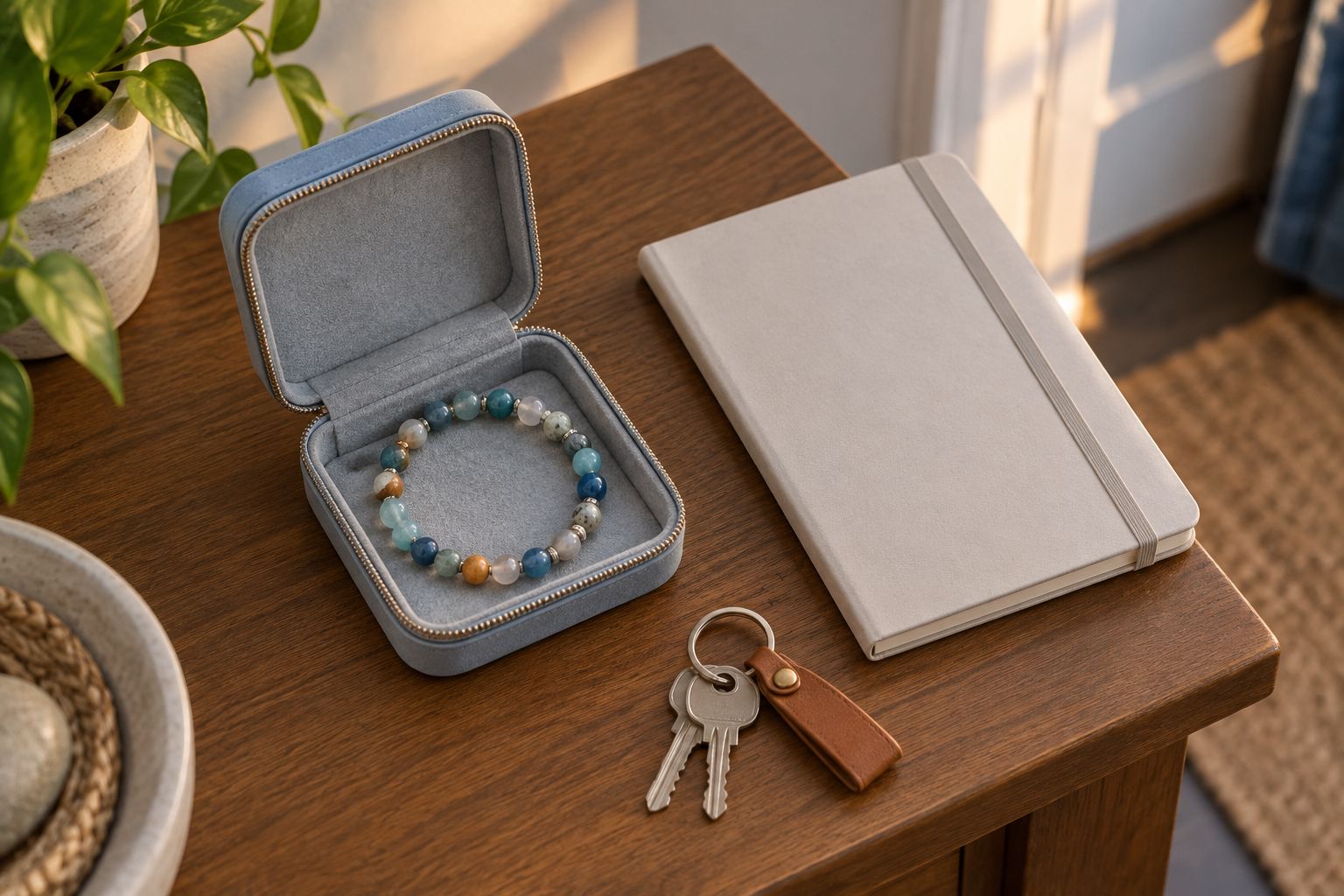
Best for tiger’s eye and smoky quartz shoppers: the first piece offers that named combination. Best for black tourmaline and clear quartz shoppers: the second offers those named materials. Neither listing title establishes workplace suitability; verify fit and construction before choosing.


Common mistakes nurses make when choosing symbolic jewelry
Treating a small bracelet as an automatic exception
A thin string or small bead does not answer a workplace-policy question. Check the rule before buying something specifically for clinical wear. If permission is unclear, choose off-duty use until you receive clarification.
Confusing symbolic protection with occupational safety
A meaningful charm does not replace PPE, hand hygiene, reporting procedures, or other required precautions. Keep the distinction clear when giving a bracelet to a colleague, too. “A reminder that you deserve support” is different from promising protection during a shift.
Turning a gift into another obligation
A recipient does not need instructions to wear a stone continuously, cleanse it on a schedule, or follow beliefs they do not share. Ask about jewelry preferences and offer an easy way to decline. Meaningful gifts leave room for the recipient’s own interpretation.
Assuming a blessing overrides practical care
A Taoist blessing does not establish resistance to water, cleaning chemicals, or repeated handling. For a 2026 gift, verify the exact service and material details on the listing. A ritual can carry meaning without changing the object’s physical limits.
FAQ
What are the best protection bracelets for nurses?
The best choice is a bracelet you enjoy off duty, with clear materials and suitable fit; choose no wrist jewelry wherever your employer prohibits it. Protection is personal or traditional symbolism, not a demonstrated clinical effect.
Can nurses wear crystal bracelets while working?
Nurses must follow the jewelry policy that applies to their role, unit, and duties. Ask about wrist jewelry specifically rather than assuming a bracelet is allowed because another accessory is permitted.
Does black tourmaline protect nurses from illness or negative energy?
Black tourmaline does not provide established protection from illness, and energetic shielding is a spiritual belief rather than a verified safety function. You can still choose it as a personal symbol without treating it as protective equipment.
Is a red string bracelet allowed if gemstone bracelets are banned?
A red string bracelet is not automatically exempt from a workplace jewelry ban. Confirm the written rule and use any formal accommodation process that applies to your situation.
Which wrist should a nurse wear a protection bracelet on?
For permitted personal wear, choose the wrist that feels comfortable and suits your own practice. A symbolic wrist preference never overrides workplace restrictions or establishes a protective effect.
Can I sanitize my crystal bracelet between patients?
Do not assume a crystal bracelet can be made suitable for patient care by applying sanitizer. Follow workplace jewelry rules and the specific material-care instructions; jewelry cleaning and clinical decontamination are different questions.
Should I buy a Taoist-blessed bracelet for a nurse?
Choose a Taoist-blessed bracelet only when the recipient welcomes that tradition and the individual listing confirms the service. A blessing is a religious or personal practice, not a guarantee of safety or wellbeing.
Can I sleep in my bracelet after a night shift?
Take elastic-cord bracelets off before sleeping, including daytime sleep after a night shift. Store the piece safely and choose a jewelry-free wind-down routine.
One last thing
Your bracelet does not need to come into the hospital to carry meaning. Try a suggested 30-second check before leaving home: name your intention, identify one practical action, and put the jewelry away if your workplace requires bare wrists.
If you decide a stone belongs in your off-duty routine, measure your wrist first. Choose something you genuinely want to wear—not something you feel obliged to depend on.


